
Lower cooling costs in summer
By reflecting radiant heat before it enters the roof space, sisalation reduces the load on ceiling insulation and your cooling system. This can lead to noticeable savings on energy bills during Officer’s hottest months.
Reflective Foil Insulation
Sisalation is a reflective foil laminate that cuts radiant heat transfer through your roof and walls. In Officer’s hot summers, it keeps indoor temperatures steadier by reflecting up to 97% of radiant heat before it enters the building envelope.
Share your details and Expert Insulation Melbourne will contact you about Sisalation Insulation in Officer.
Sisalation is a thin, durable foil laminate installed under roofing or behind wall cladding with a mandatory air gap. It reflects radiant heat away from the living space and acts as a vapour barrier, reducing condensation risk in roof spaces and wall cavities. For Officer homes with colourbond or tiled roofs, it is an effective way to block summer heat gain through the roof before it reaches ceiling batts.
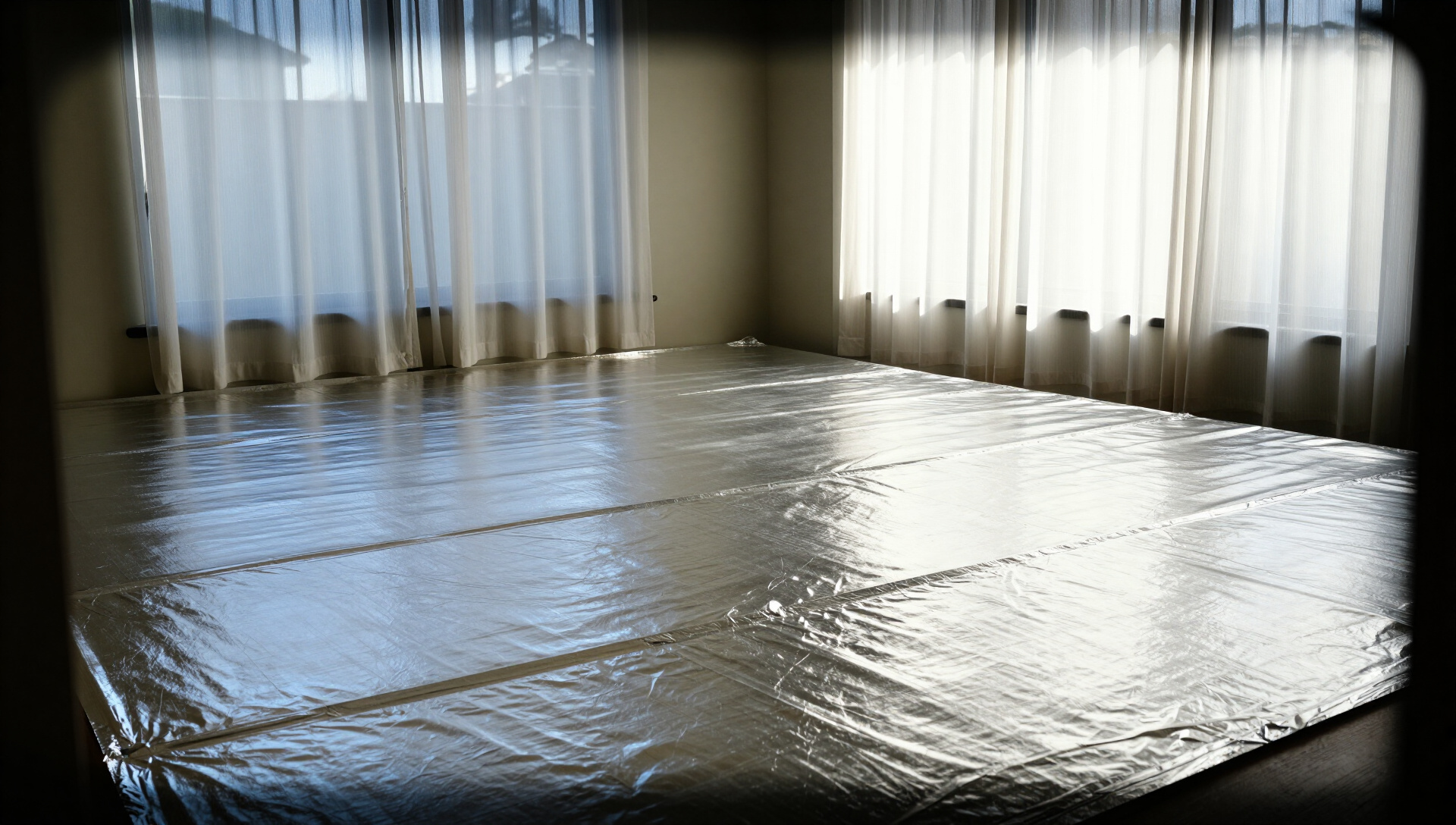
Officer’s exposure to hot northerly winds and heatwaves makes radiant heat control essential. Sisalation addresses this directly by reflecting heat at the roof and wall surfaces, which keeps indoor temperatures lower without relying solely on air conditioning.
By reflecting radiant heat before it enters the roof space, sisalation reduces the load on ceiling insulation and your cooling system. This can lead to noticeable savings on energy bills during Officer’s hottest months.
The foil layer acts as a vapour barrier, limiting moisture transfer into the roof cavity. This helps prevent dampness that can degrade ceiling batts and timber framing over time.
Sisalation complements glasswool or polyester batts in the ceiling. The foil reflects heat, while the bulk insulation traps still air, delivering better overall thermal resistance than either product alone.
Can be installed under new roofing during construction or retrofitted under existing roofs if there is safe access. It is also used behind wall cladding in brick veneer or weatherboard homes.
Unlike thick batts, sisalation adds very little bulk but provides immediate radiant heat protection. This makes it ideal for roofs with limited space between rafters and the roof sheeting.
The foil surface resists dust accumulation compared to fibrous batts, keeping the roof space cleaner and reducing the amount of dust that can settle on ceiling insulation below.
Installing sisalation requires careful placement to maintain the air gap that makes it effective. Our team follows a precise process to ensure it performs as intended under Officer roofs and behind wall cladding.
We check the roof space or wall cavity for access, structural condition and existing insulation. For retrofits, we confirm there is enough room to install the foil with the required air gap.
Sisalation is supplied in rolls and cut to fit between rafters or studs. We allow for overlaps and sealing at joins to maintain the vapour barrier and reflective performance.
The foil is stapled or fixed to the underside of rafters or to the face of studs, ensuring it does not touch the roof sheeting or wall cladding. This air gap is critical for reflecting radiant heat effectively.
All overlaps and edges are taped with foil tape to prevent air leakage and maintain the vapour barrier. This also stops dust and moisture from bypassing the sisalation layer.
Officer’s newer estates feature a mix of colourbond and tiled roofs, many with limited ceiling insulation. Sisalation is a practical upgrade for these homes, installed under the roofing to reflect heat before it reaches the living areas. It is also used behind wall cladding in brick veneer homes to improve thermal comfort and reduce condensation risk in external walls.
Reflective foil insulation installed under roofs and behind wall cladding to reduce heat gain and condensation in Officer homes.
Homeowners in Officer often ask about the role of sisalation compared to bulk insulation and how it fits with their existing setup. Here are the key details.
Sisalation insulation in Officer provides a thin, high-performance barrier against radiant heat. Installed under roofing or behind wall cladding, it reflects up to 97% of radiant heat, reducing the temperature in roof spaces and wall cavities before heat reaches ceiling batts or internal living areas. This is particularly valuable in Officer, where hot summers and colourbond roofs can lead to excessive heat gain through the roof.
Unlike bulk insulation, which relies on trapping still air, sisalation works by reflecting radiant heat. The foil laminate must be installed with an air gap to function correctly, typically fixed to the underside of rafters or the face of studs. It also acts as a vapour barrier, limiting moisture transfer that can cause condensation in roof spaces and wall cavities, which is a common issue in Melbourne’s damp winters.
For Officer homes, sisalation is often paired with ceiling batts to achieve better overall thermal performance. The foil reflects heat at the roof, while the bulk insulation below traps the remaining heat. This combination helps maintain more consistent indoor temperatures, reducing reliance on heating and cooling systems. It is suitable for new builds and retrofits, provided there is safe access and sufficient space for the air gap.
Reflective foil insulation under your roof or behind your wall cladding will reduce heat gain and condensation. We install sisalation in Officer homes with the correct air gaps and sealing for lasting performance.