
Lower heating and cooling bills
Proper ceiling insulation reduces the workload on heaters and air conditioners. Homes in Officer with R4.0 to R6.0 batts typically see noticeable drops in energy use within the first billing cycle.
Officer
Quality ceiling insulation installed in Officer homes to reduce winter heat loss and summer heat gain through the roof space.
Share your details and Expert Insulation Melbourne will contact you about Ceiling Insulation in Officer.
Ceiling insulation is the most effective way to stop heat escaping through the roof space in Officer. Most homes here have suspended ceilings with easy access for installing glasswool or polyester batts between the joists. This cuts winter heat loss and summer heat gain, lowering heating and cooling costs year round.
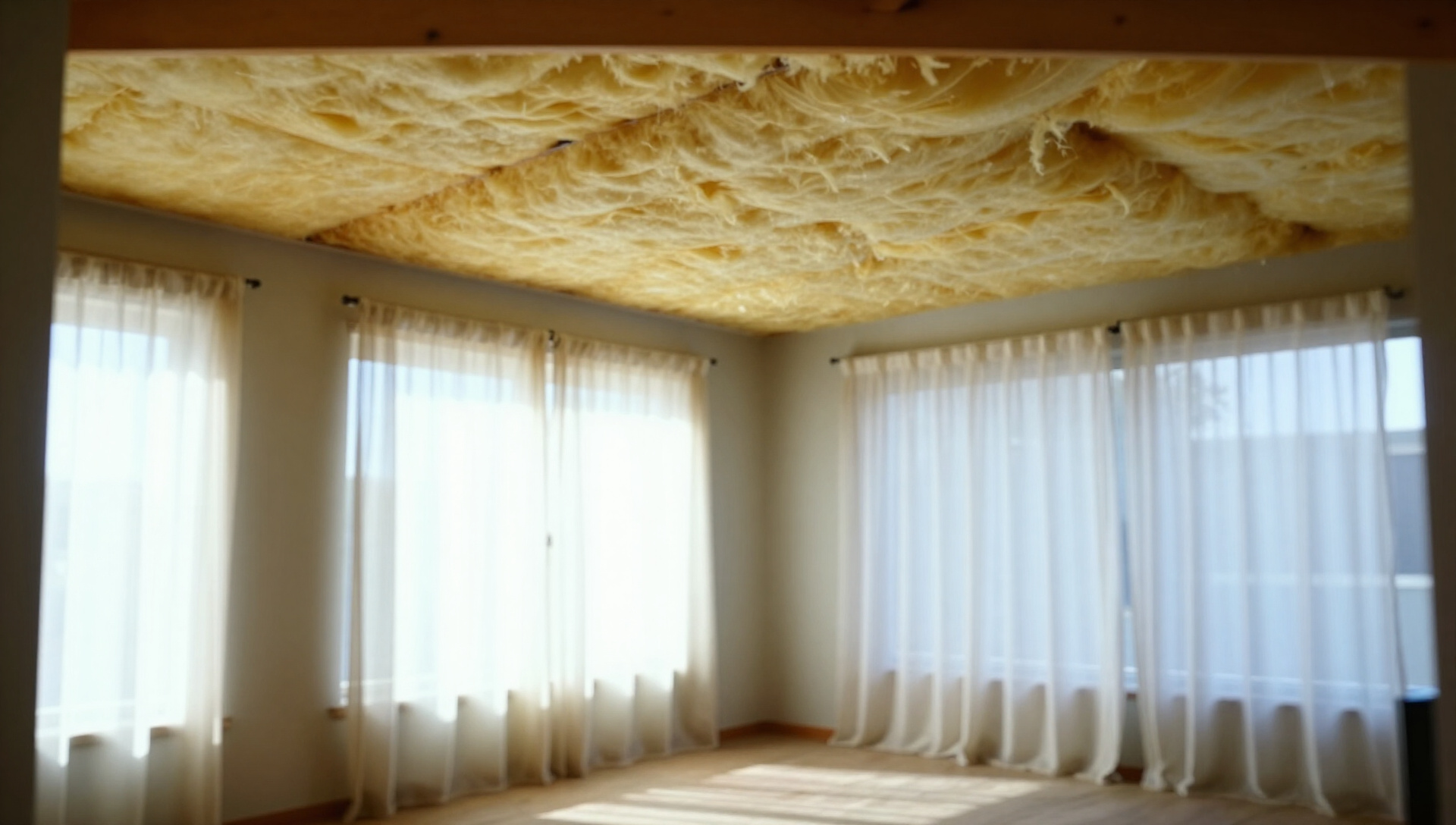
Officer’s cold winters and hot summers make ceiling insulation a smart upgrade. Without it, up to 40 percent of heating and cooling energy can be lost through the roof space.
Proper ceiling insulation reduces the workload on heaters and air conditioners. Homes in Officer with R4.0 to R6.0 batts typically see noticeable drops in energy use within the first billing cycle.
Batts trap still air in the ceiling cavity, slowing heat transfer. This keeps living areas warmer in winter and cooler in summer without relying solely on HVAC systems.
Insulation helps regulate temperature and humidity in the roof space. This minimises condensation on sarking and rafters, protecting the structure from moisture damage.
Dense batts absorb airborne noise from rain on the roof and external sources. This is useful in Officer where homes are often close to neighbours or main roads.
Quality glasswool or polyester batts retain their thickness and R-value over time. They resist settling and sagging, maintaining thermal resistance for the life of the product.
Glasswool and rockwool batts are non-combustible and will not support flame spread. They are also treated to resist pests and mould growth in damp conditions.
Installing ceiling insulation in Officer is straightforward when there is safe access to the roof space. The process is clean and typically completed in a day for an average home.
We check the condition of the existing insulation, the spacing between ceiling joists and any obstructions like cables, pipes or downlights. If old batts are compressed, wet or damaged, removal is recommended before new insulation goes in.
The roof space is cleared of loose debris and dust. We wear protective gear and use temporary barriers to prevent dust from entering living areas. Access points are secured to avoid damage to ceilings.
Batts are cut to fit snugly between joists without gaps or compression. We maintain the required clearances around downlights, flues and electrical cables. Reflective foil sarking can be added under the roofing for extra radiant heat control.
We ensure all batts are properly seated and there are no gaps. The roof space is vacuumed to remove dust and offcuts. Access panels are replaced and the site is left clean.
Officer’s newer homes often have minimal or no ceiling insulation, leading to high heating and cooling costs. Installing R4.0 to R6.0 batts between the ceiling joists is a cost-effective way to improve comfort and energy efficiency. The process is quick, with most installations completed in a single visit.
Reduce heat loss through the roof with ceiling insulation installed by local experts in Officer.
Homeowners in Officer often ask about the best R-value, whether old insulation needs removal and how long installation takes.
Ceiling insulation in Officer targets the main path for heat loss in most homes. Without adequate batts, warm air rises and escapes through the roof space in winter, while radiant heat from the roof penetrates in summer. Installing glasswool or polyester batts between ceiling joists slows this transfer, keeping indoor temperatures stable and reducing reliance on heating and cooling systems.
For Officer homes, typical ceiling R-values range from R4.0 to R6.0. Higher R-values provide better thermal resistance but may require thicker batts. The choice depends on budget, roof space depth and climate needs. Glasswool is a common choice for its thermal performance, acoustic benefits and non-combustibility. Polyester is another option, offering similar R-values with a softer, itch-free material.
Signs your Officer home needs ceiling insulation include cold drafts near the ceiling, high energy bills, uneven temperatures between rooms and visible gaps or thin batts in the roof space. If old insulation is compressed, wet or mouldy, removal and replacement is recommended. Work stops if asbestos is suspected, and a qualified assessor is called in.
Improve comfort and cut energy costs with ceiling insulation installed by Expert Insulation Melbourne in Officer. We use quality batts and ensure proper coverage and clearances.