
Lower heating and cooling costs
Filling the wall cavity reduces the amount of heat escaping in winter and entering in summer, so your heater and air conditioner run less often.
Officer Wall Insulation
Cavity wall insulation for Officer homes stops draughts and heat loss through brick veneer walls. We inspect, drill, inject and patch to leave your walls fully insulated with no mess.
Share your details and Expert Insulation Melbourne will contact you about Cavity Wall Insulation in Officer.
Cavity wall insulation fills the gap between the inner and outer leaves of brick veneer walls with insulating material. In Officer, many homes built from the 1960s onwards use this construction, which can let cold air in and warm air out unless the cavity is filled. We inject bulk insulation or reflective foil into the cavity through small holes, then seal and patch them so the finish matches your existing walls.
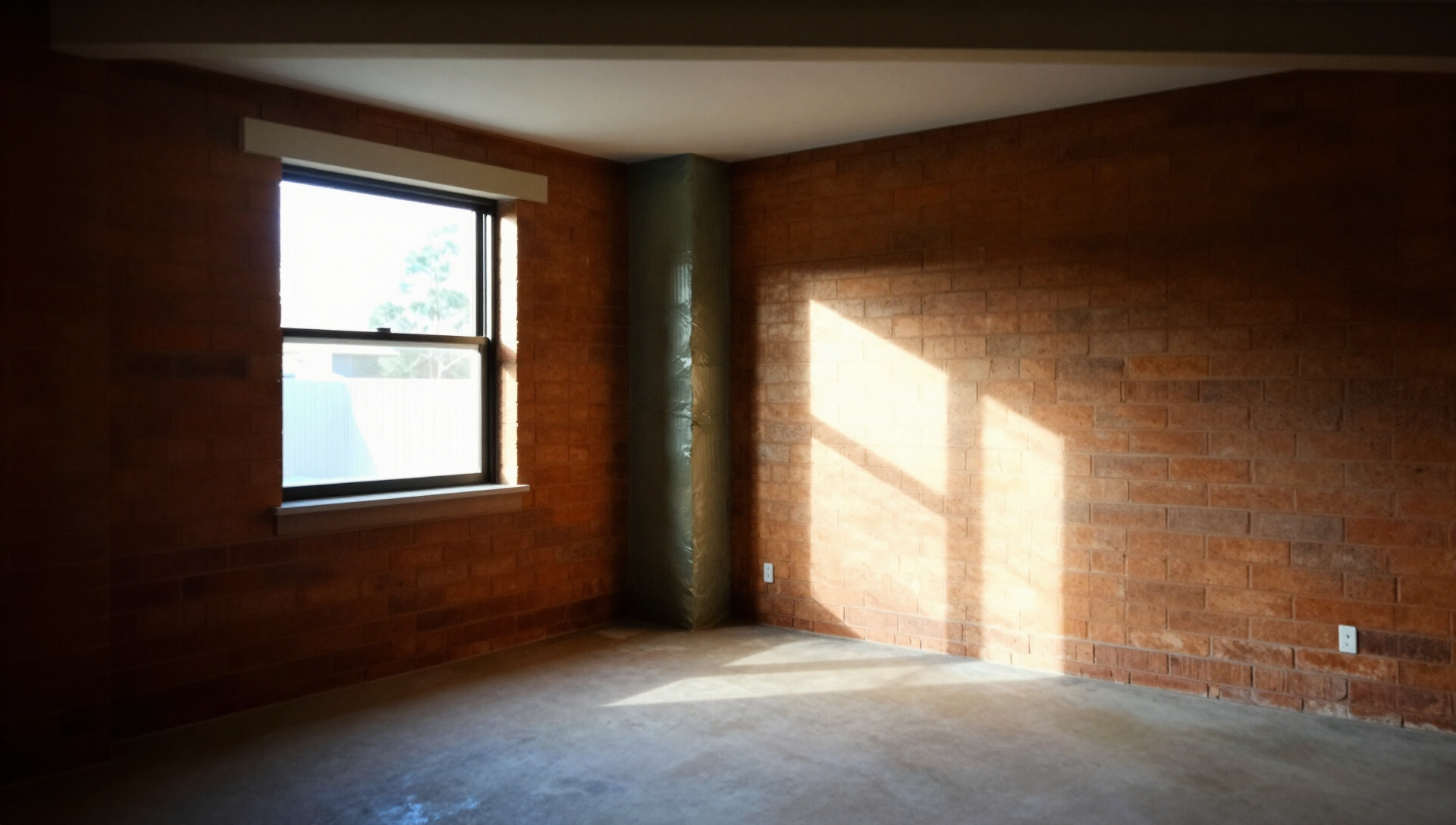
Officer’s cold winters and hot summers make uninsulated brick veneer walls a weak point for energy loss. Cavity wall insulation addresses this by blocking the path for heat transfer and draughts, which keeps your home more comfortable year-round.
Filling the wall cavity reduces the amount of heat escaping in winter and entering in summer, so your heater and air conditioner run less often.
Gaps in brickwork and around windows let cold air in. Cavity insulation blocks these draughts, making rooms feel warmer without turning up the thermostat.
Walls stay closer to room temperature, so you avoid cold spots near external walls and the chill that comes through uninsulated brick veneer.
The process is done from the outside, so there is no need to remove internal linings or move furniture. We work around your schedule and clean up after we finish.
Once installed, cavity wall insulation does not settle or degrade. It continues to perform for the life of the building, maintaining its R-value and thermal resistance.
By stabilising wall temperatures, cavity insulation helps prevent condensation forming inside the wall, which can lead to mould and moisture damage over time.
We follow a careful process to ensure your Officer home gets the right insulation with minimal disruption. Each step is designed to check suitability, install correctly and leave your property as we found it.
We start by checking your wall type, cavity width and condition. Not all brick walls are suitable, especially if there are moisture issues or no cavity. We also look for signs of asbestos, in which case work stops until a qualified assessor inspects it.
Small holes are drilled into the mortar joints at regular intervals around the wall. These provide access to inject the insulation material into the cavity without damaging the bricks.
Using specialist equipment, we inject the chosen insulation (usually mineral wool or reflective foil) into the cavity. The material fills the gap completely, ensuring no voids that could let air pass through.
After injection, we seal the holes and patch them with matching mortar so they blend in with the existing wall. The finish is tidy and barely noticeable once complete.
Officer’s mix of newer estates and established brick veneer homes means many properties can benefit from cavity wall insulation. The suburb’s exposure to cold southerly winds in winter and hot northerlies in summer makes uninsulated walls a common source of discomfort. We work across Officer, including homes near the Pakenham line and local parks, to improve thermal performance without altering your home’s appearance.
Stop draughts and heat loss through brick veneer walls in Officer with cavity wall insulation installed by local experts.
Homeowners in Officer often have questions about how cavity wall insulation works, whether their home is suitable and what to expect during installation. Here are the answers to the most common queries.
Cavity wall insulation in Officer is a practical solution for brick veneer homes that struggle with draughts and inconsistent temperatures. By filling the gap between the inner and outer wall leaves with insulating material, you reduce heat transfer and air leakage, which directly cuts energy use and improves comfort. Many Officer homes built from the 1960s onwards use brick veneer construction, which benefits greatly from this upgrade.
The process involves drilling small holes into the mortar, injecting insulation and then patching the holes to match your existing wall. This method is non-invasive, with all work done from the outside, so there is no need to remove internal wall linings or disrupt your home. We use materials suited to cavity walls, such as mineral wool or reflective foil, which provide effective thermal resistance without compressing over time.
Officer’s climate, with cold winters and hot summers, means uninsulated walls can account for a significant portion of heat loss and gain. Cavity wall insulation addresses this by stabilising wall temperatures, reducing draughts and lowering the workload on your heating and cooling systems. It is a long-term investment that pays off in energy savings and a more comfortable home.
If your Officer home has brick veneer walls and suffers from draughts or temperature swings, cavity wall insulation can make a noticeable difference. Call us to check suitability and arrange an inspection.